



MS vs Galvanized Rolling Shutter: Which One Is Better?
Choosing a rolling shutter isn’t just about curb appeal. The material you choose affects long-term maintenance, corrosion resistance, durability, and everyday performance. If you are comparing MS vs galvanized rolling shutter options, understanding how both perform under everyday site conditions can help you make a more informed decision.
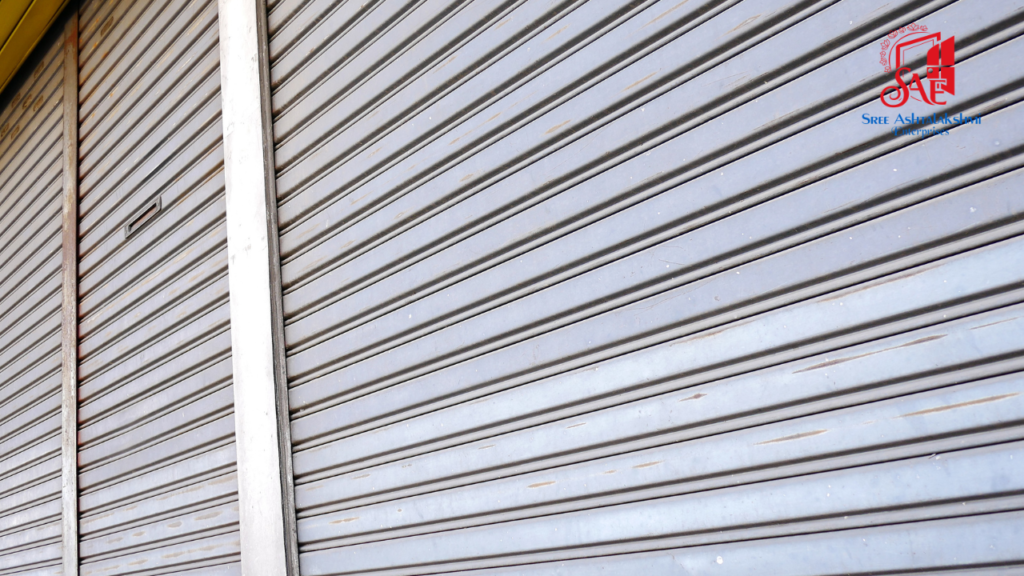
Commercial properties, warehouses, and homes may use both types of rolling shutters, but each material has its own strengths. The right choice depends on factors such as humidity, how often the shutter is used, and how much exposure it gets to rain and other weather conditions.
What Is an MS Rolling Shutter?
MS stands for mild steel. An MS rolling shutter relies on raw mild steel components, making it a practical choice for applications where strength and durability are important.
Fabricators easily shape mild steel into custom shutter sizes and profiles. This makes it suitable for retail shops, industrial garages, and warehouse openings where strength is an important consideration.
Key operational characteristics:
- Solid mechanical strength that stands up to heavy daily impact.
- Smooth performance under regular, high-frequency operation.
- Flexible fabrication that fits non-standard or oversized openings.
- Broad finish options, ranging from basic primers to custom powder coats.
- Benefits from a suitable protective coating to help reduce the risk of corrosion.
The main consideration with mild steel is ongoing maintenance. Exposure to air and moisture can lead to corrosion over time. A suitable protective coating and periodic touch-ups can help protect the surface and extend the shutter’s service life.
What Is a Galvanized Rolling Shutter?
A galvanized rolling shutter uses steel coated in a protective layer of zinc. The zinc coating provides an additional layer of protection against environmental exposure.
When corrosion resistance is a major concern, galvanized steel can be a practical option. It can be particularly useful in humid zones, coastal areas, or damp commercial setups where corrosion resistance is a priority.
Practical benefits include:
- Improved resistance to surface corrosion due to its zinc coating.
- Can reduce the need for frequent surface maintenance.
- A zinc coating that provides additional protection to the underlying steel.
- Reliable performance near damp walls, exposed entryways, and coastal air.
- Long-term utility when correctly installed and kept clean.
Keep in mind that zinc is not a permanent shield. Deep scratches, exposed cut edges, or prolonged exposure to harsh chemicals can damage the coating and leave the underlying steel vulnerable to corrosion.
MS vs Galvanized Rolling Shutter: Key Differences
Both materials can provide a strong and practical rolling shutter solution, but they differ in how they handle moisture, maintenance, finishes, and everyday use. Looking at these factors side by side makes it easier to understand which option may suit your property better.
1. Corrosion Resistance
This is where the two materials diverge most sharply.
Mild steel generally relies on suitable surface protection to reduce the risk of rust. If that paint chips or peels away from neglect, corrosion spreads fast.
2. Maintenance
Expect hands-on upkeep with an MS shutter. Depending on weather exposure, you’ll need regular inspections and periodic repainting to keep rust from forming.
Galvanized steel can reduce the need for frequent surface painting. However, the shutter still needs routine inspections, track lubrication, and other mechanical maintenance.
3. Strength and Application
When comparing MS vs galvanized rolling shutter options, both choices can offer strong physical protection when built to the right gauge and fitted properly.
Actual day-to-day durability comes down to practical build factors:
- Real steel gauge thickness
- Slats and profile design
- Total square footage of the opening
- Installation precision and track alignment
- Motorized vs manual operating mechanism
- Duty cycles and daily opening frequency
Don’t base your decision on the metal alone; make sure to check the actual thickness of the slats.
4. Appearance and Finish
Think of MS shutters as a clean slate. You can easily paint or powder-coat them to match your storefront’s exact brand colors or building trim. Galvanized steel, on the other hand, comes with that classic industrial metallic look—though you can still paint over it if your space calls for a specific finish.
Which Rolling Shutter Should You Choose?
Look at the real-world conditions around your specific doorway or loading bay before placing an order.
An MS shutter is usually the right call when:
- Strength and structural performance are important considerations.
- The installation spot is completely indoor or dry.
- Your team can handle routine repainting and surface care.
- Matching a specific architectural paint code matters.
A galvanized shutter may be a better fit when:
- High humidity, rain, or ocean mist hits the opening.
- Rust protection is your top priority.
- You want to reduce the frequency of surface maintenance.
- The shutter sits in an exposed outdoor location.
Shutter position matters too. A dry, climate-controlled indoor storage unit doesn’t need the same spec as an exposed street-side storefront.
Wrapping It Up
Choosing between MS vs galvanized rolling shutter options depends on your property’s location, moisture exposure, usage frequency, and maintenance needs. Sree Ashtalakshmi can help you assess these factors and identify a shutter solution suited to your specific application.
From material selection and shutter specifications to installation requirements, Sree Ashtalakshmi can guide you through the available options. The goal is to choose a rolling shutter that offers the right balance of security, durability, and everyday performance for your property.