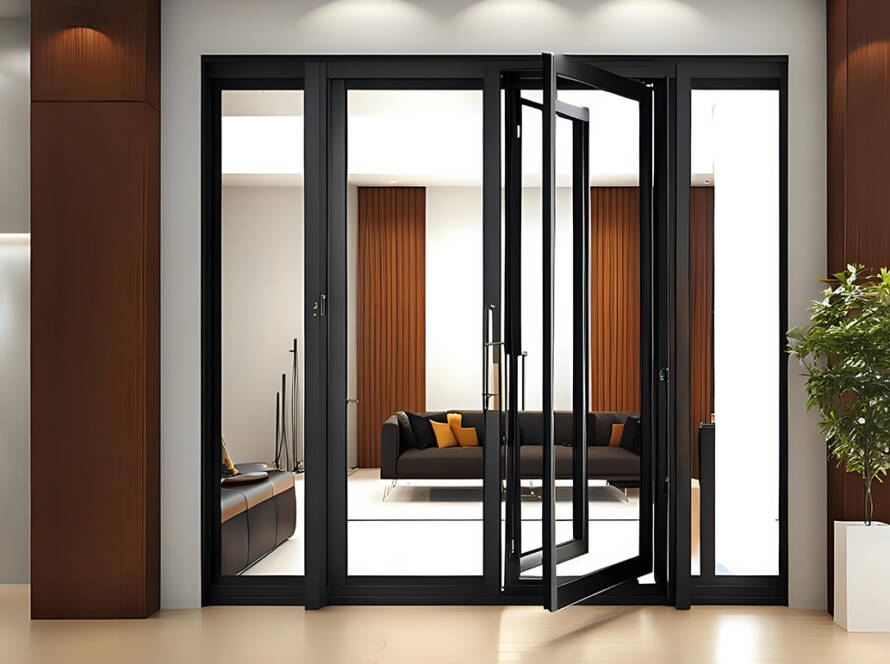
Steel doors are widely appreciated for their robustness, security, and longevity. However, it is important to understand that not every steel door offers fire protection. This article explores the differences between ordinary steel doors and fire-rated ones, and explains how fire resistance is achieved. If you’re exploring leading steel doors in Hyderabad, understanding their fire ratings will help you make safer and more informed choices.
What Are Steel Doors?
Steel doors are constructed from sheets of steel, often with a reinforced core. The core can consist of honeycomb structures, insulating foam, or other fire-retardant materials depending on the design. This construction provides durability, strength, and security — making them suitable for residential doors in Hyderabad that demand both style and safety.
Categories of Steel Doors
Steel doors are not uniform in terms of fire protection. They are generally divided into two main types:
1. Fire-Resistant Steel Doors
These doors are designed to endure heat and flames for a set period, commonly ranging from 20 to 90 minutes. The rating indicates how long the door can prevent fire, smoke, and heat from passing through.
Features of Fire-Resistant Doors:
- Fireproof cores using materials like rockwool or honeycomb structures.
- Intumescent seals that expand when exposed to heat to block fire.
- Tested and certified to meet recognized fire safety standards.
2. Standard Steel Doors
Regular steel doors provide structural integrity and security but are not built to resist fire. They generally do not include a fireproof core or specialized seals, so their ability to withstand extreme temperatures is limited — making them more suitable for industrial doors in Hyderabad or non-fire-critical areas.
Identifying Fire-Rated Doors
To ensure a steel door is fire-rated, look for:
- Certification labels showing fire resistance.
- Seals or cores specifically designed to prevent heat transfer.
- Verification that the door meets local fire safety codes.
Applications
Fire-rated doors are typically used in locations where fire safety is critical:
- Emergency exits
- Stairwells
- Hallways connecting different sections of a building
These doors are crucial for slowing the spread of fire and giving occupants time to evacuate safely.
Compliance and Safety
Building regulations often require fire-rated doors in specific areas. Choosing doors that meet these standards not only ensures safety but also keeps the structure legally compliant.
Selecting the Right Door
When choosing a steel door, consider:
- The fire safety needs of the building.
- Guidance from construction or fire safety professionals.
- Doors that are certified for fire resistance and suitable for the intended location.
Conclusion
Not all steel doors provide fire protection. Fire-rated doors are designed to withstand high temperatures, prevent the spread of flames, and protect building occupants. Understanding the difference between ordinary and fire-rated steel doors is essential for safe and informed building design. Always opt for certified products and expert advice to ensure maximum safety.